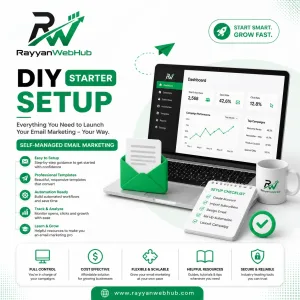
Professional Email Marketing
Services for Business Growth
Email Marketing remains one of the most effective digital marketing strategies for businesses seeking long-term growth and customer engagement. Moreover, it provides a direct communication channel that helps brands connect with prospects, nurture leads, and retain existing customers. Unlike many marketing channels, email campaigns offer measurable results and exceptional return on investment.
Today, businesses use targeted email communication to deliver personalized messages, promote products, and strengthen customer relationships. Furthermore, modern automation tools make it easier to send relevant content at the right time. As a result, organizations can increase engagement, improve conversions, and build lasting customer loyalty.
Whether you operate a startup, an eCommerce store, or an established company, strategic email campaigns can help support your overall marketing objectives and revenue goals.
Why Email Marketing Is Essential for Modern Businesses
Digital communication continues to evolve. However, email remains one of the most reliable channels for reaching customers directly. Therefore, businesses that invest in effective email strategies often experience stronger engagement and higher conversion rates.
Building Customer Relationships Through Email Marketing
Strong customer relationships are essential for sustainable growth. Moreover, personalized communication helps brands remain relevant and valuable to their audiences. Email Marketing enables businesses to deliver useful information, special offers, and important updates directly to subscribers.
Key benefits include:
- Improved customer retention
- Increased brand awareness
- Better audience engagement
- Higher conversion opportunities
- Stronger customer loyalty
Consequently, businesses can maintain consistent communication throughout the customer journey.
Personalized Communication and Audience Segmentation
Modern consumers expect relevant experiences. Therefore, audience segmentation plays a critical role in campaign performance. By grouping subscribers based on interests, behavior, or demographics, businesses can deliver highly targeted content.
For example, new subscribers may receive welcome sequences, while returning customers receive personalized recommendations and promotional offers.
Email Marketing Campaigns for Lead Generation and Sales
Generating leads and increasing revenue are common business goals. Furthermore, strategic email campaigns help guide potential customers through every stage of the buying process.
Automated Email Campaigns for Better Efficiency
Marketing automation allows businesses to communicate consistently without manual effort. Moreover, automated workflows help nurture leads and maintain engagement over time.
Common automation examples include:
- Welcome email sequences
- Lead nurturing campaigns
- Abandoned cart reminders
- Product recommendation emails
- Customer re-engagement campaigns
- Post-purchase follow-ups
As a result, businesses can improve efficiency while delivering timely and relevant communication.
Conversion-Focused Email Outreach Strategies
Effective outreach campaigns focus on delivering value. Meanwhile, compelling subject lines, engaging content, and strong calls to action encourage subscribers to take the next step. Strategic messaging helps increase click-through rates and improve overall campaign performance.
Essential Elements of Successful Email Marketing
Successful Email Marketing requires more than sending promotional messages. Moreover, every campaign should align with audience needs and business objectives.
High-Quality Content and Subscriber Engagement
Content quality directly affects engagement levels. Furthermore, valuable and relevant information encourages subscribers to open emails and interact with your brand.
Effective email content often includes:
- Educational resources
- Industry insights
- Product updates
- Exclusive offers
- Helpful tips and guides
Additionally, providing consistent value helps build trust and long-term customer relationships.
Email Design and User Experience
Visual presentation influences how subscribers interact with emails. Therefore, responsive design, clear layouts, and mobile-friendly formatting are essential for success.
For example:
- Clean layouts improve readability
- Strong branding increases recognition
- Mobile optimization enhances accessibility
- Clear calls to action encourage engagement
Consequently, a positive user experience often leads to better campaign results.
Deliverability and Performance Optimization
Even the best content cannot perform if subscribers never receive it. Likewise, maintaining strong sender reputation and list hygiene helps improve inbox placement. Regular monitoring and optimization ensure campaigns achieve maximum visibility.
Modern Email Communication Trends and Best Practices
Consumer expectations continue to evolve. However, businesses that adapt to emerging trends often achieve stronger results and greater customer engagement.
Email Marketing Automation and Personalization
Automation and personalization have transformed digital communication. Moreover, businesses can now deliver highly relevant content based on customer behavior and preferences. Personalized experiences often lead to higher open rates and increased conversions.
Advantages include:
- Better customer targeting
- Improved engagement rates
- Increased conversion potential
- Enhanced customer experience
- Greater marketing efficiency
As a result, businesses can maximize the value of their subscriber lists.
Multi-Channel Marketing Integration
Email campaigns work best when integrated with broader marketing efforts. Therefore, businesses should align their messaging across websites, social media platforms, content marketing initiatives, and paid advertising campaigns.
Consistent communication strengthens brand recognition and improves the overall customer experience.
Benefits of Investing in Professional Email Campaign Management
Professional campaign management helps businesses maximize the effectiveness of their communication strategies. Moreover, expert guidance ensures that campaigns remain optimized for engagement, conversions, and long-term growth.
Key advantages include:
- Improved campaign performance
- Stronger customer relationships
- Better audience targeting
- Higher conversion rates
- Enhanced brand consistency
- Increased customer retention
- Better return on investment
Furthermore, professional support helps businesses stay aligned with industry best practices and evolving consumer expectations.
Email Marketing as a Long-Term Business Growth Strategy
Email Marketing continues to be one of the most valuable tools for customer engagement, lead generation, and revenue growth. Moreover, it provides businesses with a direct and cost-effective method for communicating with their audiences.
Additionally, strategic email communication supports customer retention, strengthens brand loyalty, and improves marketing performance across multiple channels. Whether sending newsletters, promotional campaigns, automated workflows, or personalized messages, businesses can create meaningful customer experiences through effective communication.
Ultimately, Email Marketing helps organizations build stronger relationships, increase conversions, and achieve sustainable long-term growth in an increasingly competitive digital landscape.