No products in the cart.

WordPress Speed Optimization
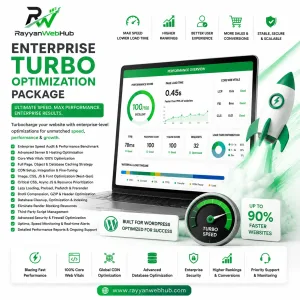
WordPress Speed Optimization is one of the most important factors for improving user experience, search engine rankings, and overall website performance. Moreover, a fast-loading website not only keeps visitors engaged but also reduces bounce rates significantly. Therefore, optimizing your WordPress site for speed is essential for long-term SEO success.
Additionally, search engines like Google prioritize fast websites in rankings. Ultimately, a well-optimized site delivers better Core Web Vitals, higher conversions, and improved visibility in search results.
What is WordPress Speed Optimization and Why It Matters
WordPress Speed Optimization refers to the process of improving website loading time and overall performance. Furthermore, it involves optimizing images, scripts, hosting, and caching mechanisms to ensure faster page delivery.
Key Benefits of Speed Optimization for WordPress Sites
A properly optimized website provides several advantages:
- Faster page loading time
- Improved search engine rankings
- Better user experience
- Lower bounce rates
- Higher conversion rates
Meanwhile, even a delay of a few seconds can negatively impact user engagement. Consequently, speed optimization becomes a critical part of any SEO strategy.
Core Techniques for WordPress Speed Optimization
To achieve effective WordPress performance optimization, you must focus on both technical and on-page improvements. Moreover, each optimization step contributes to overall website efficiency.
Image Optimization for Faster Loading
Large images are one of the biggest causes of slow websites. However, optimizing them can significantly improve performance.
Best practices include:
- Compress images without losing quality
- Use modern formats like WebP
- Enable lazy loading
- Resize images before uploading
Additionally, optimized images reduce server load and improve Core Web Vitals scores.
Caching and Performance Enhancements
Caching plays a major role in WordPress Speed Optimization by storing static versions of your pages. Therefore, it reduces server requests and improves loading speed.
Key caching methods include:
- Browser caching
- Page caching
- Object caching
- CDN integration
Furthermore, using a Content Delivery Network (CDN) ensures faster content delivery worldwide.
Advanced WordPress Speed Optimization Strategies
Once basic optimizations are complete, advanced techniques can further enhance performance. Moreover, these strategies are essential for high-traffic websites.
Minimizing CSS, JavaScript, and HTML Files
Reducing file sizes improves load time significantly. However, unnecessary scripts can slow down your website.
To optimize:
- Minify CSS and JavaScript files
- Remove unused plugins and scripts
- Combine files where possible
- Defer non-critical JavaScript
Consequently, this reduces render-blocking resources and improves page speed.
Choosing High-Performance Hosting
Hosting is the foundation of any speed optimization for WordPress sites. Meanwhile, poor hosting can limit even the best optimization efforts.
Key hosting features:
- SSD storage
- High uptime guarantee
- Built-in caching
- Scalable resources
Additionally, managed WordPress hosting often provides better speed performance.
Database Optimization Techniques
Over time, WordPress databases accumulate unnecessary data. Therefore, cleaning and optimizing them improves performance.
Key actions include:
- Removing post revisions
- Clearing spam comments
- Deleting unused plugins data
- Optimizing database tables
Furthermore, regular maintenance ensures consistent speed improvements.
Common Issues Affecting WordPress Speed
Many websites fail to achieve optimal performance due to common mistakes. Moreover, identifying these issues is the first step toward improvement.
Common speed issues include:
- Unoptimized images
- Poor hosting environment
- Excessive plugins
- Heavy theme usage
- No caching system
In addition, external scripts such as ads or trackers can slow down page loading significantly.
Best Practices for WordPress Speed Optimization
To maintain a fast and efficient website, follow these proven practices:
- Use lightweight themes
- Optimize all media files
- Enable caching and CDN
- Limit plugin usage
- Regularly monitor site performance
Additionally, tools like Google PageSpeed Insights help track performance improvements over time.
Conclusion
In conclusion, WordPress Speed Optimization is essential for improving SEO rankings, enhancing user experience, and increasing website conversions. Moreover, a fast website ensures better engagement and stronger performance in search engines. Therefore, speed optimization should be a continuous process, not a one-time task.
Ultimately, by applying the right techniques and maintaining regular performance checks, you can achieve a highly optimized WordPress website that loads quickly and ranks higher in Google search results.
Sale

Advanced Performance Optimization Package
Original price was: $ 349.$ 249Current price is: $ 249.Add to cartSale